How to Keep Your Home Cool Without Overworking AC
When your air conditioner runs constantly, it is usually trying to do two jobs at once: keep up with heat inside your home and fight heat that never really stops coming in. The goal is not to make the AC smaller or “outsmart” physics. The goal is to reduce the load your system is carrying, so it can cycle normally, run efficiently, and stay healthier season after season.
I have pulled out plenty of “mystery” AC calls that were really load problems in disguise. A late afternoon thermostat tweak, a closed-up room full of afternoon sun, a missing return vent, or a filter that turns into a thick gray sponge. The system still cools, but it cools for hours longer than it should, and that extra wear adds up.
Below are practical ways to keep your home comfortable in Kansas City summers without turning the thermostat into a 24/7 demand. Some of these are quick fixes, others require small upgrades or at least a second look at airflow and insulation. If you are dealing with short-cycling, weak cooling, or strange noises, these steps also help you figure out what deserves professional attention.
Start with the simple reality: the AC can only cool what you let it
An air conditioner removes heat, but it does not create cool air out of nowhere. If your home is leaking hot air in, your duct system is leaking conditioned air out, or your indoor humidity is high enough to make the house feel warmer than the thermostat reading, the AC will keep chasing the target temperature.
That chasing shows up as longer run times, higher energy bills, and a higher chance that components work outside their normal comfort zone. Compressors do not like extended abuse. Neither do fans, blower motors, or the electrical parts that keep everything running.
On a typical day here, you can feel the humidity as much as the heat. In Kansas City, a humid house often needs more time to dehumidify, and it may feel hot even when the temperature is “okay.” That means your comfort strategy should include airflow and moisture control, not just temperature numbers.
Use the thermostat like a control system, not a remote switch
Thermostat habits are one of the most common reasons an AC gets overworked. People treat it like a switch: crank it down hard when the house feels warm, then forget it. That forces the compressor to run almost continuously because the temperature change is aggressive, and the system has to pull heat down quickly from a higher starting point.
Instead, focus on steady, reasonable settings and let the system cycle. If your schedule allows, set the thermostat a little warmer when nobody is home, then step it down gradually as you expect to be comfortable. You do not need to let the house bake to get benefits, but a moderate adjustment can significantly reduce peak runtime.
Also pay attention to fan settings. Many systems default to “fan on,” meaning the blower runs even when cooling is not actively required. That can move air through the house, but it can also pull moisture around and keep the system working in ways that do not feel obvious. If your system is behaving poorly, switch to “fan auto” so cooling demand drives blower operation.
Make the house tighter to the sun, not to the idea of cooling
Sunlight is not just warmth, it is energy. A few high-solar areas can make certain rooms feel permanently warm, and that pushes the thermostat to call for cooling even if other areas are fine.
I have watched this play out in real homes: afternoon light hits a west-facing living room, the room runs several degrees warmer, and then the rest of the house ends up “losing” because the system is trying to satisfy that one hot zone. The AC then runs longer to balance it out.
You do not need expensive window films in every case. Start with the basics that actually change the load:
- Use curtains or blinds during the hottest window of the day, especially on west and south-facing windows.
- Keep doors to unused rooms closed when the AC is running. Open plans are hard to fully separate, but unnecessary airflow can still add load.
- If you have a room that always runs hot, treat it as a system problem before you blame the AC. That room may be under-ventilated, over-solar, or missing return air.
If you have the option, adjust window coverings so they block direct sun rather than just dim it. Dim light can still bring in heat.
Balance airflow so the AC does not fight itself
Airflow is where many “overworked AC” situations come from. If supply air reaches rooms unevenly, some areas stay warm and the thermostat calls for more cooling, even though other parts of the system may already be delivering enough temperature drop.
Two things matter most: supply airflow and return airflow.
Supply vents that are blocked or restricted make the system work harder to push conditioned air through more resistance. Return vents that are blocked or too small can cause the system to pull air from the wrong places, which increases pressure problems and reduces comfort.
A good practical approach is to walk the home on a hot day while the system runs. Feel for strong, steady airflow at supply registers. Check that return paths are open, especially in hallways and near bedrooms. If you notice one area that barely gets airflow, that might explain why your thermostat never seems to reach the setpoint for long.
The fix might be as simple as moving a piece of furniture off a vent or correcting a duct that has shifted. In other cases, it might require duct balancing or, if you are changing the home layout, a more engineered solution.
Keep humidity under control, because “cool enough” is not always “comfortable”
In humid climates, air conditioners are often doing more dehumidification work than you realize. The system cools the air below the dew point, which helps remove moisture. But if airflow is weak, filter is clogged, or the coil is dirty, the system might not achieve the moisture removal needed. The result is a house that feels muggy and warmer than expected, and the thermostat demand goes up because the comfort target was never truly met.
Watch for these signs that the AC is struggling beyond just temperature:
- The home feels sticky even after it has been running for a while.
- You see uneven cooling, where one room feels damp and warm while others are closer to neutral.
- Condensate drains look active but you do not notice any meaningful improvement in humidity sensation.
Humidity is not measured easily without equipment, but your body is a pretty good detector. If the comfort does not improve even as the temperature drops, consider airflow and coil condition first. That is often faster than chasing thermostat settings.
Set the right expectations for short cycling and long runtimes
There is a temptation to assume that “more runtime equals bad.” It can, but it is not always. Many modern systems cycle based on demand and temperature. In mild weather, longer steady runs can be normal. In peak summer, longer runs can still be efficient if the system is handling the load properly and airflow stays consistent.
Where things become suspicious is when the system:
- Runs for long stretches and still never gets close to the temperature target.
- Freezes up or blows lukewarm air.
- Cycles on and off rapidly and you can hear it hitting a compressor start-stop rhythm repeatedly.
If your AC never seems to catch up, you are likely looking at one of these: refrigerant issues, dirty coil and drain problems, failing components, undersized equipment, or duct and insulation issues. If it cycles too frequently, common causes include thermostat placement, short cycling protection, airflow restrictions, or an oversized unit that does not stay on long enough to remove humidity.
The “overworking” problem is real, but the diagnosis depends on what “overworking” looks like in your home.
Don’t neglect maintenance, but do it in the right order
Maintenance is not just about preventing breakdowns. It is also about preventing the slow performance loss that makes an AC work harder every week.
I recommend a simple seasonal rhythm: filters first, then airflow and drainage checks, then deeper inspection by a technician when warranted. If you do only one thing, start with the filter.
A dirty filter reduces airflow. Reduced airflow can lower heat removal across the coil, which can worsen humidity removal and make the system run longer to reach temperature. In severe cases, it can contribute to coil icing, which is both a comfort problem and a potential damage risk.
For AC maintenance in Kansas City, timing matters. Start with a clean filter before the hottest stretches. During heavy pollen season, consider checking it more frequently than the typical long interval. If you have pets, or if the system seems to gather dust quickly, treat filter changes as more frequent rather than “once and done.”
Then look at basic airflow indicators. Make sure return vents are not obstructed by rugs, furniture, or thick barriers. Check that supply vents are open and not blocked. Listen for abnormal noises from the indoor blower. If you notice new vibration or rattling when the system kicks on, address it early.
A professional visit is especially valuable when you suspect dirty coils, drainage issues, refrigerant problems, or failing capacitors and contactors. Routine AC repair in Kansas City MO or HVAC repair in Kansas City MO is often about catching performance problems before they turn into hard failures.
Use zoning and duct choices carefully, especially in older homes
Many older homes in the Kansas City area were built with duct layouts that work okay on moderate days but feel strained during peak heat and humidity. If you have a layout where one area gets more solar load or has less duct capacity, you end up with uneven conditions, and the thermostat compensates by running longer.
If you have zoning, the interaction can be even more sensitive. Zoning systems rely on proper dampers and airflow. If dampers stick or if airflow is restricted in one zone, you can get high runtime or comfort imbalance. Sometimes the fix is a damper adjustment or a balance correction, and sometimes it means the system is not matching the current home loads due to remodeling.
If you recently renovated, added an addition, finished a basement, or changed window sizes, the AC may be trying to handle a different thermal profile than it was designed for. That can show up as “the AC is overworked,” even though the problem is a changed load. In those cases, an HVAC contractor in Kansas City MO can help determine whether duct redesign, thermostat placement, insulation improvements, or a capacity adjustment is the real lever.
Reduce the load before you try to “fix” the equipment
This is the part homeowners sometimes skip. They want the AC to fix everything. The AC can handle heat removal, but it cannot compensate for a house that keeps collecting solar heat and losing cool air through leaks, poor insulation, or air gaps.
Some high-impact upgrades and habits do not require major construction:
- Seal obvious air leaks around doors, windows, and penetrations where wires and plumbing enter.
- Inspect attic insulation levels when possible. Attics often determine whether your AC runs steadily or constantly.
- Consider attic ventilation and radiant barriers if appropriate. The goal is not just more ventilation, it is effective heat management.
- Ensure bathroom fans and kitchen exhausts are vented correctly. Excess indoor moisture makes the AC run harder.
If you are not sure where heat is coming in, start with the easiest diagnostic tool you have: your comfort patterns. Which rooms stay warm the longest? Which corners feel stuffy? Which floors run hotter? Those clues can point you toward air leaks, duct leakage, missing returns, or high-solar windows.
Keep registers and vents clean, because dust adds resistance
This sounds minor, but a thick coating of dust on registers can reduce airflow. Filter dust and general debris can also gather inside the duct system over time. The system then has to run longer because it is pushing through more resistance.
You do not need to overdo it with DIY duct cleaning every year, especially if you do not have a documented issue. Focus on what you can control confidently: keep filters clean, keep registers accessible, and schedule maintenance that includes inspection of key components.
When you should call for HVAC repair instead of just adjusting habits
There is a point where troubleshooting turns into guesswork. If you have tried basic steps and the system still behaves like it is struggling, it is time to call a technician.
Here are situations I consider “stop experimenting”:
- The AC runs constantly and never reaches comfortable temperatures, even when outdoor conditions are not extreme.
- You notice ice on the evaporator coil or frost at the indoor unit.
- The system blows warm air or air that feels significantly cooler in the first minutes, then warms up.
- You smell burning or musty odors coming from the unit when it starts.
- The outdoor unit makes loud, unusual noises, or the fan seems inconsistent.
In those cases, AC installation in Kansas City and AC repair in Kansas City, and HVAC repair in Kansas City, are not just about getting it fixed, they are about making sure it is fixed correctly. Correctly diagnosed problems like refrigerant leakage, electrical failures, or airflow restrictions can prevent repeated breakdowns and prevent the “overworked” pattern from continuing.
If you are considering a new system because the current one is old or undersized, it is not only about replacing the unit. It is about matching capacity, duct design, airflow requirements, and the real heat load of your home. A modern system can be efficient, but only if it is installed with the right attention to setup and distribution.
A practical daily routine that actually reduces AC runtime
A lot of “energy saving” advice is theoretical. The best routines are the ones you will follow on a normal day.
Here is what I have seen work in real homes during Kansas City heat waves, especially when humidity is high and the system seems relentless:
On the hottest afternoons, close curtains over high-solar windows. Use “fan auto” unless you have a clear reason to keep it on. Keep doors closed to rooms that are not being used, and avoid constant thermostat changes. If you have a programmable thermostat, set comfort levels based on when you are actually home.
If you cook, do it strategically. High-heat cooking adds to indoor load and humidity. Running the range hood with ventilation and keeping the kitchen door closed to hallways can reduce the AC work that follows. This is not about perfection, it is about smoothing out spikes.
Then, as evening temperatures ease, let the house settle. If your home cools naturally overnight and your duct system distributes air well, the AC can come on for shorter periods rather than needing long daytime runs.
Edge cases that confuse people, and how to handle them
Some AC problems look like “overworking,” but the underlying cause is different. A few common scenarios:
If your system is oversized, it can short cycle. Short cycling can leave humidity high because the unit does not run long enough to remove moisture. The house feels damp and uncomfortable, so homeowners try to lower the thermostat, which can make the pattern worse. In that case, changing settings alone is unlikely to solve it, and a technician may need to evaluate airflow and controls.
If your ducts are leaky or poorly designed, the system may cool the air inside the ducts but lose it before it reaches living spaces. This can mean you feel cool air at certain vents but not others. The thermostat will continue calling for cooling, driving longer runtime. Again, airflow tests and duct inspection matter.
If your thermostat is located in a spot that reads warmer than the rest of the home, such as near a sunlit wall or behind curtains, it will call for cooling longer than needed. Moving the thermostat or adjusting how it samples temperature can improve comfort and reduce runtime.
These are judgment calls. The right solution depends on what you measure, not what you assume.
What efficient cooling looks like in practice
Efficient cooling is not only about low bills, it is about stable comfort. When your system is matched properly and the house load is managed, you typically notice:
The AC cycles on, runs long enough to remove heat and moisture, then shuts off and lets the house coast. Temperatures stabilize, humidity feels more controlled, and the system does not sound strained.
You also tend to avoid the “constant cold but never comfortable” experience. If the AC is cooling air fast but not removing moisture or not distributing it evenly, you get that annoying in-between feeling, and the system keeps working.
If you track the pattern over a couple of days, you can often tell whether you are dealing with normal high demand or an actual mechanical problem. If you have to run the AC more aggressively every year, AC maintenance in Kansas City or it seems to get worse at the start of the season and then improves later, that can point to maintenance or airflow performance loss that builds up over months.
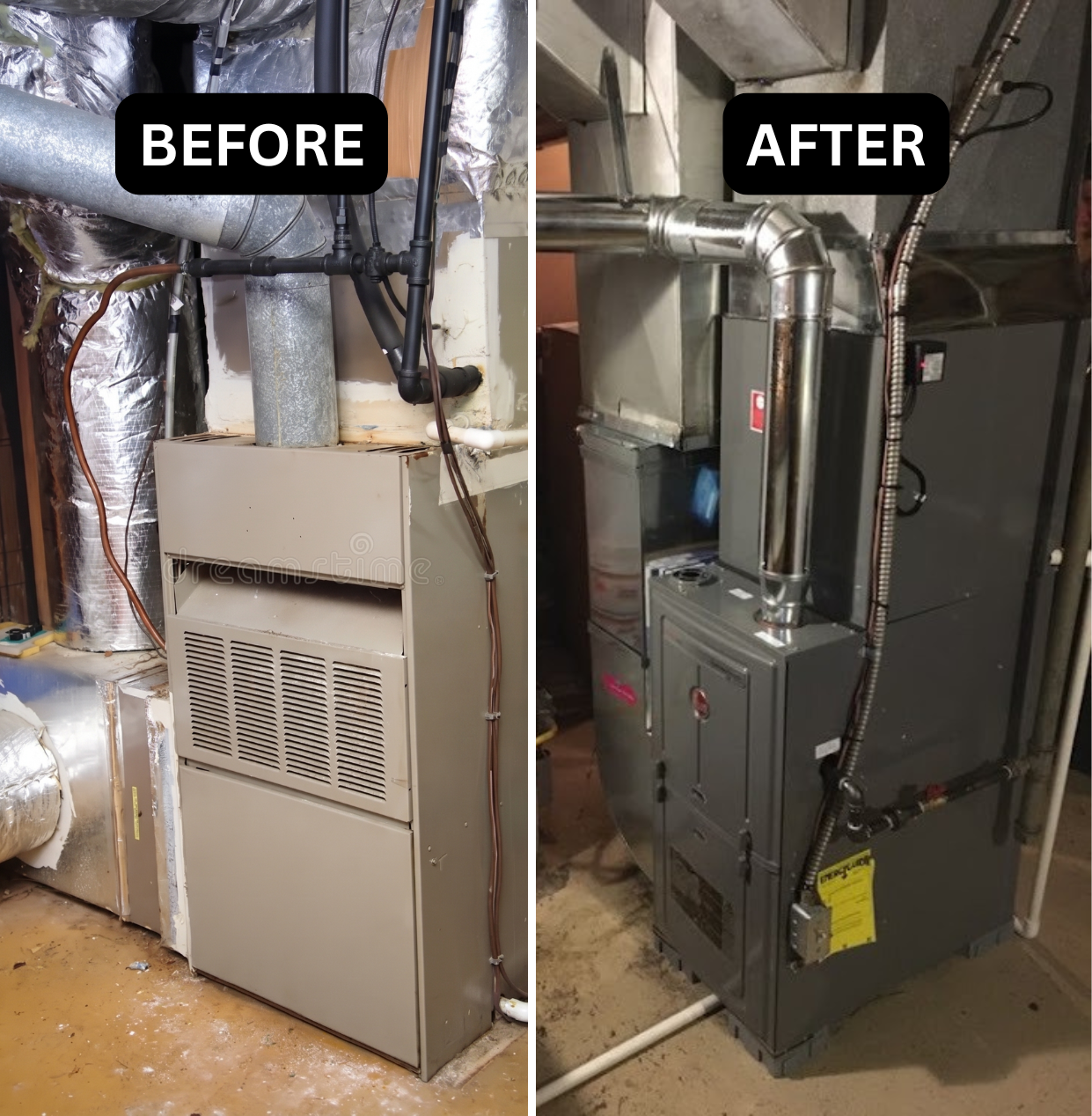
If you are investing in an upgrade, plan for the whole system, not just the outdoor unit
Sometimes the most effective way to stop overworking is to replace a tired system or expand capacity for your home changes. But replacement is where mistakes happen too.
AC installation in Kansas City is not just setting equipment on a pad. It includes evaluation of sizing, duct capacity, refrigerant line considerations, airflow requirements, electrical compatibility, and correct control setup. If the replacement is poorly sized, the new unit can still run too long or short cycle, and you end up paying for comfort problems you could have avoided.
A good HVAC contractor in Kansas City MO should ask questions about your home: insulation, window upgrades, additions, airflow complaints, and thermostat behavior. They should also measure rather than guess. A load calculation and airflow evaluation can prevent a unit from being installed based on square footage alone.
If you are hearing that “it is old, just replace it,” pause. Age matters, but performance and sizing matter more when the goal is comfort without constant strain.
A short checklist for today, before you schedule anything
If you want to take action quickly and see whether the “overworked AC” issue is load or performance, here is a short sequence that helps without turning your day into a DIY project.
- Replace or re-check your filter, and make sure the right size is installed.
- Confirm that return vents and supply registers are open and not blocked.
- Close blinds or curtains on the sunniest windows during peak heat.
- Set the thermostat to a moderate target and avoid big swings.
- Observe whether the system maintains comfort once it reaches the setpoint, or keeps running with little improvement.
If you do these and the system still struggles, that is when it pays to call for AC repair in Kansas City MO or HVAC repair in Kansas City MO. At that point, the issue is more likely to be mechanical, refrigerant-related, electrical, or airflow related beyond what simple homeowner steps can fix.
Keep it cool, keep it calm, and let your system breathe
The best summer comfort is calm comfort. Your AC should not sound like it is sprinting. It should run, remove heat and moisture, and then shut off while the house holds steady.
When you reduce the load, manage airflow, address humidity, and keep up with basic maintenance, the system stops working against the home and starts working with it. That is how you get better comfort, fewer callbacks, and equipment that lasts longer.
If you are already noticing persistent issues, the fastest path is usually to combine simple checks you can do immediately with a professional inspection when the symptoms point beyond filters and thermostat settings. A good HVAC contractor can confirm what is going on, whether that means AC maintenance in Kansas City level tune-ups or a deeper HVAC repair, and whether it is time to plan for AC installation or just restore the efficiency you used to have.
All 4 One Heating & Cooling
5828 Woodland Ave, Kansas City, MO 64110, United States
816-699-8366
[email protected]
Website: https://all4onekc.com/